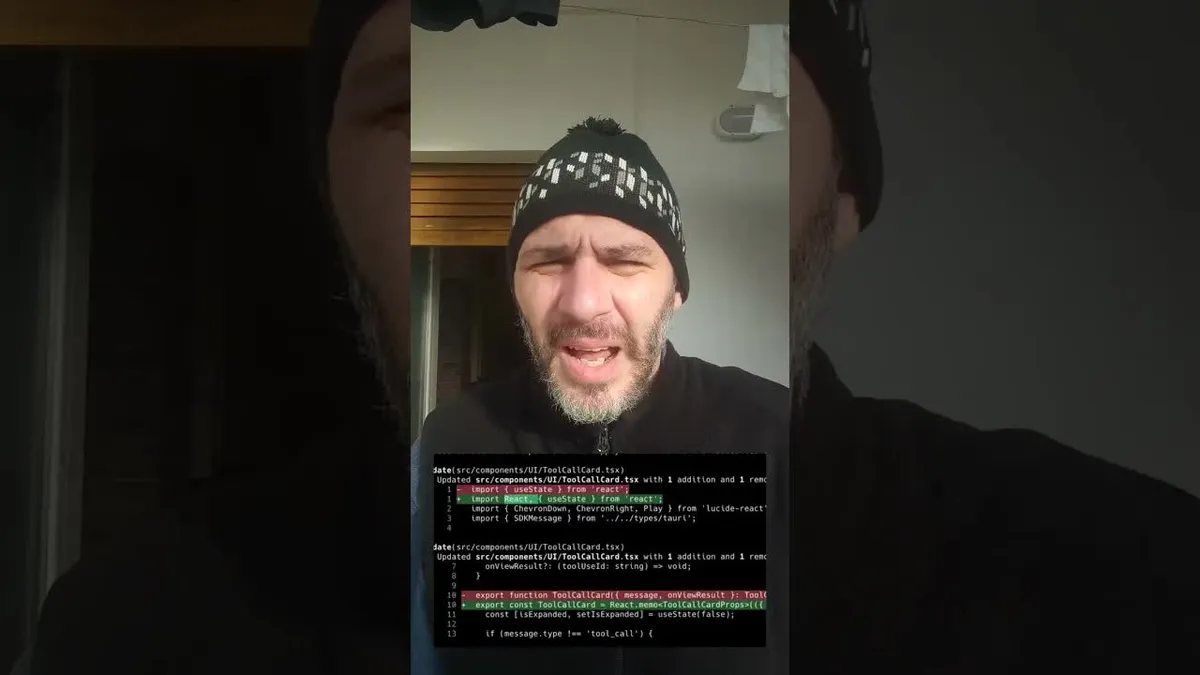
A hands-on vibe-coding session building an agent skill system from zero with the Cheshire Cat framework.
AI is not a single product to buy in one block - it is separable pieces, and knowing them keeps you out of a vendor cage.
A 20-minute experiment giving the Cheshire Cat 2 framework agent skills - and the open questions about MCP and safety.
A new version of the Model Context Protocol lands July 28th: stateless transport, deprecations, tasks and MCP apps.
The word "loop" gets thrown around a lot in AI - but there are at least three nested ones, from single tokens up to whole tasks.
Fable 5 finally ships, and top agent builders now write loops instead of prompts - at a steep token cost.
Which to cover next - MCP or agent skills - plus a hard, honest look at bringing more women into AI.
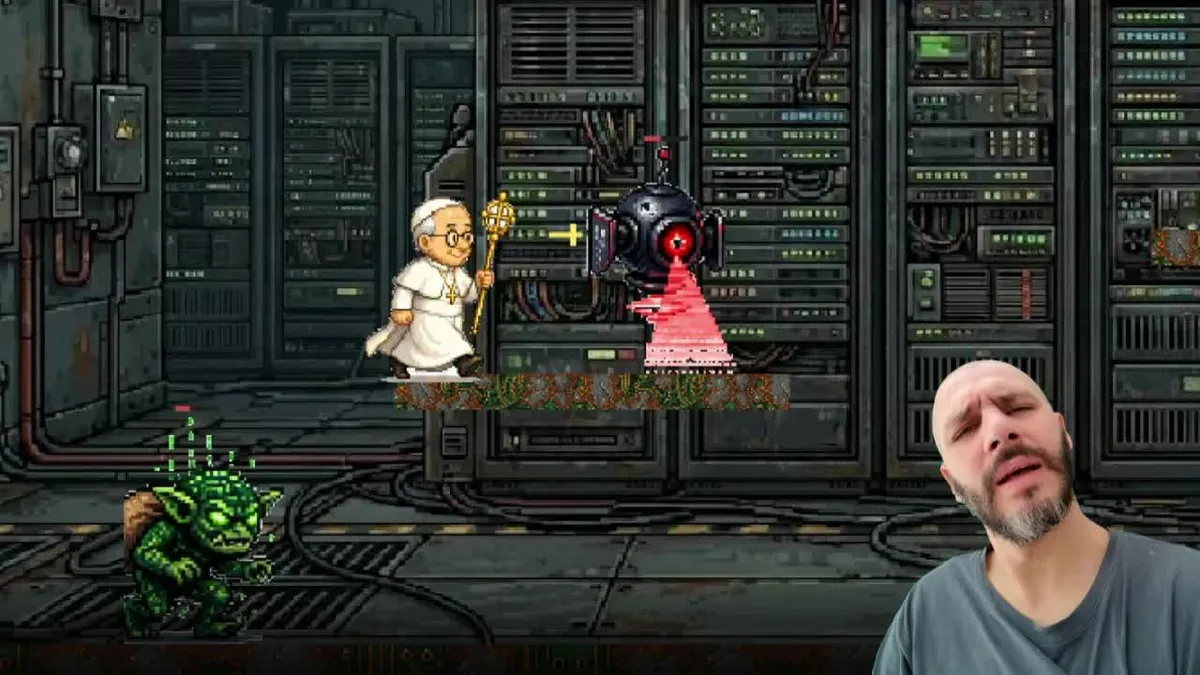
Reading the new AI encyclical, building a Pope-vs-Big-Tech video game with Claude Code, and finding the exact limits of vibe coding.
You have a million euros to bet on the future of AI: the personal digital twin that lives on your computer, or intelligence as a networked service. Where do you put it?
We're used to framing AI as automation. But its deeper role might be coordination - aligning people and organizations where before we had to do it by hand.
'MCP is dead, now there are CLIs and skills.' No. MCP was never about the toys on your laptop - it's about composable AI agents used by groups of people over the network.
The hardest part of selling AI is getting people who expect exactness from a computer to accept that a statistical model is uncertain by definition - and to design around that.
Two ways to make your agents composable: MCP servers for networked services shared by groups, and skills for local, reusable workflows.
A whiteboard walk through the three big jumps that took us from a language model to an agent: GPT-3, ChatGPT, and Claude Code.
We are already on the second generation of AI. The first was chatbots that only spit out text; the second is agents that actually act on the world, and if you are still arguing about chatbots you have missed the jump.
AI agents did not build their own social network to organize a revolution. Behind the Moltbook hype are humans installing skills, editing prompts, and cashing in on the virality.
Admitting that AI agents are smarter than me at writing code does not make me feel smaller. It just moves the question to what actually makes us human.
Vibe coding was a godsend that opened programming to everyone, and now spec-driven development is opening the professional, agent-driven side of the craft.
For a year I have been telling you to play with MCP, and now the signal is impossible to ignore: the whole Google suite is shipping MCP versions, and I am putting together training on it.
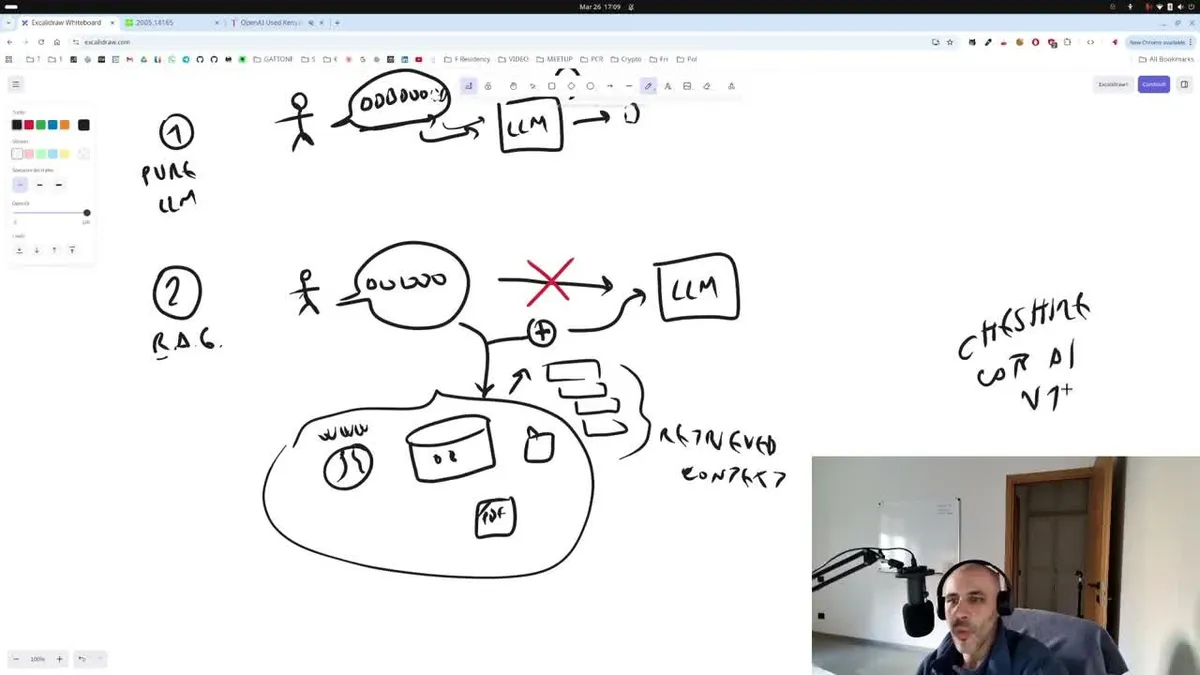
The language model is stateless: it takes context in and spits one token out. An agent is just the software you wrap around it to give it memory and actions. Everything else follows from that.
With Buy for Me, Amazon sends an AI agent to buy products from stores outside its own platform on your behalf, and that is a much bigger shift than another nerdy automation demo.
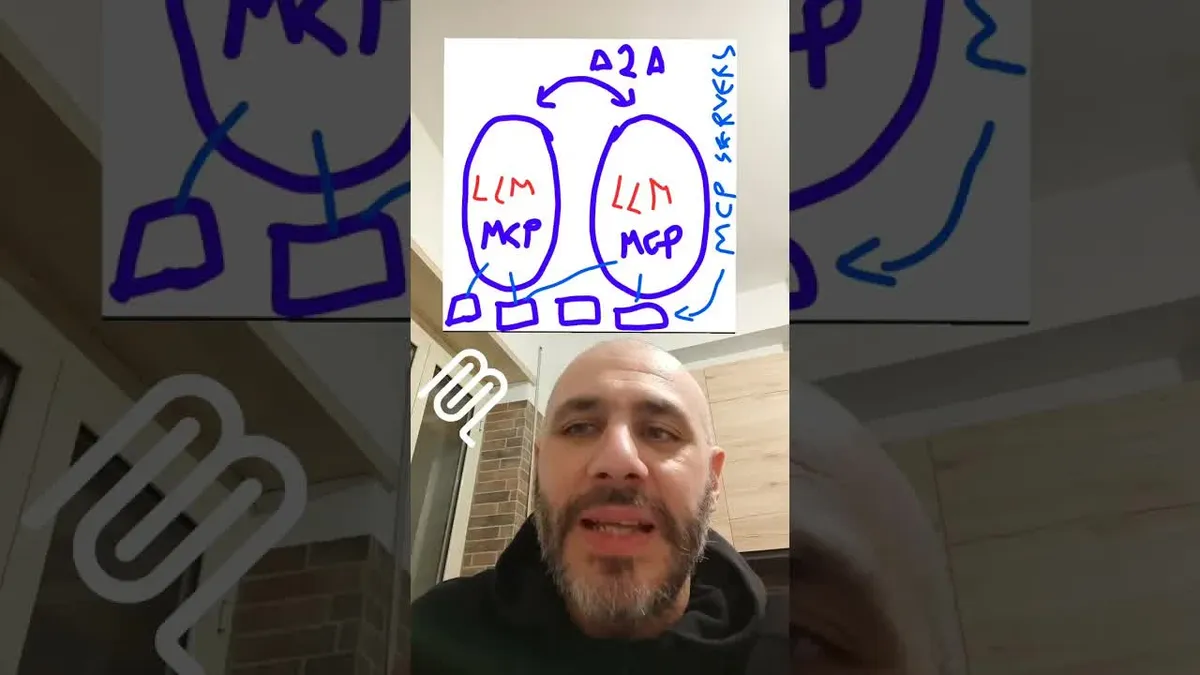
Under the hood, ChatGPT apps are just MCP servers, and this is why MCP is quietly winning while Google A2A struggles.
Vibe coding is giving way to structured, agent-driven development where you review pull requests instead of crossing your fingers.
Both MCP and A2A now live under the Linux Foundation, and here is why the AI field badly needs these protocols to finally unify.
Most Python agent libraries treat the prompt, the model, the tools and the memory as static - and in Cheshire Cat v2 I think every one of those parts should be dynamic.
From the con-artist grift to AI as a feature, AI first products, and platform plays - the four real ways people are making money with artificial intelligence.
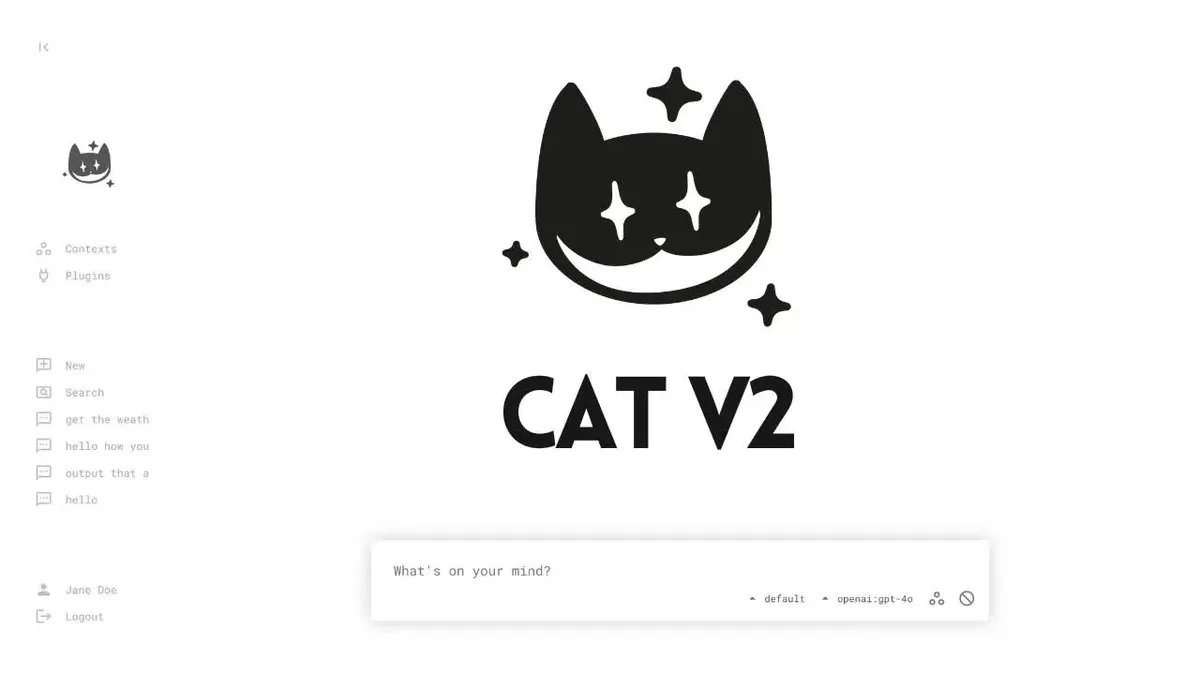
A first look at Cheshire Cat version 2: multi-chat, multi-agent, context-driven, MCP-connected, and still API first, built entirely around plugins.
A tool is a function the language model chooses to call; a resource is something read into context. Here is how the three MCP constructs actually differ.
It is worth it precisely because everything is still fragmented and uncertain, and here is the concrete path in: mess with the online services, then learn context, memory and tools.
A journalist copy-pasting straight from ChatGPT is not a gaffe, it is the use case handed to you on a plate: the agent should send the work where it belongs, with human review by design.
A plain-language explainer: an agent is software that wraps a language model, building the prompt with retrieved context and tools and interpreting the response before it reaches you.
Two kinds of AI agents are taking shape - the ones that grab your mouse and click around for you, and the ones that quietly talk to network services and just get it done.
A plain-language tour of the terms you keep hearing: model, agent, RAG, MCP, GPUs and data centers, and the Cheshire Cat.
An appeal to designers and technicians: flat information architecture, mixed conversational and graphic interfaces, and human-in-the-loop as the design frontier of AI products.
Three things worth noting: Meta's video world models, Karpathy's Software 3.0 talk, and Google donating the A2A protocol to the Linux Foundation.