
I hadn’t tried it yet when it came out, but I was there. Folks, we need to talk about this. Follow Francesco, he’s razor sharp, and I wanted to throw in my two cents on this whole story of agents that write code.
For a long time we talked about vibe coding: you fire off a request, you don’t really know what’s happening, you cross your fingers. But a few months have passed, and a few months in technology is a century. What happened is that these systems have started organizing themselves into specialized little agents that you can invoke one by one. Each one can have its own set of MCP servers, its own set of tools. They’re compartmentalized. And that’s not really vibe coding anymore, where you say “OK, let’s do this” and then hope for the best.
Structured development is taking over
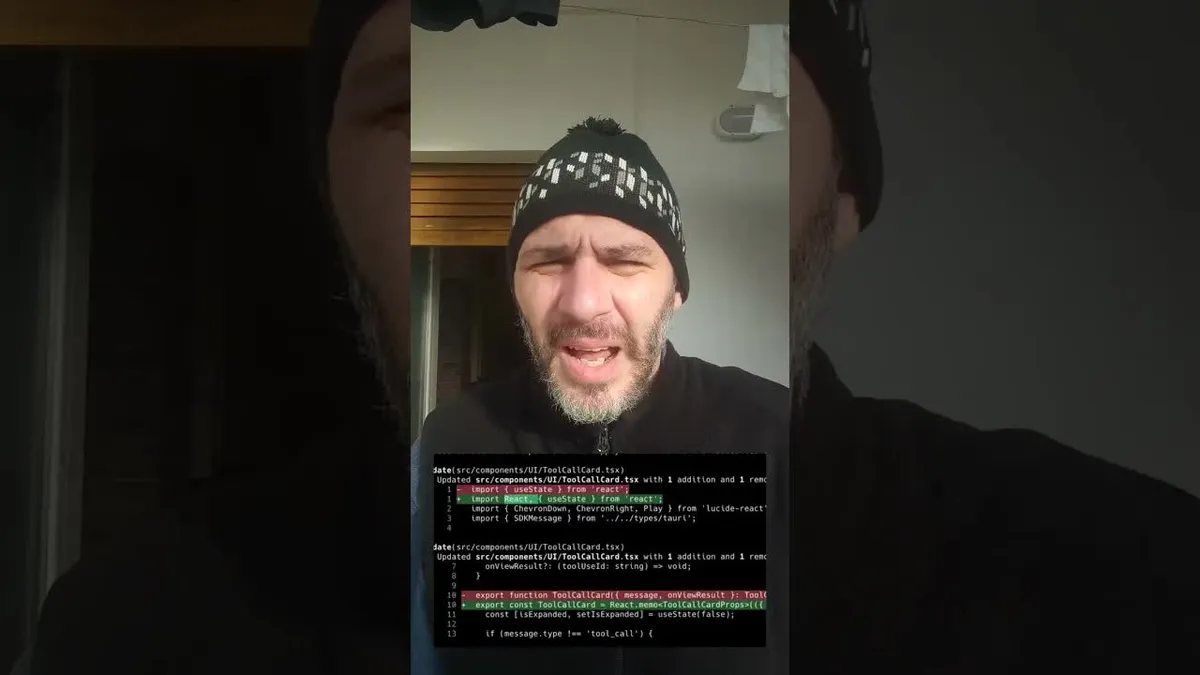
What’s actually taking hold are structured programming processes where you review pull requests. In practice you review the PRs the agents make, or at least the diffs they send you in the editor or straight into the terminal with Claude Code.
The experience reminds me a lot of what I have with the Cheshire Cat, because over the last few years I’ve merged more than a thousand pull requests to maintain it. Working with agents feels very similar: you propose things to do, the agent tries to do them, and then it tells you “here are the changes I’m proposing.”
You don’t just say yes
In professional programming I don’t think you can just say yes straight away. You have to see what it wants to change and how. So first, you give it isolated pockets that you can control. When it sends you the diff, you look at it. If you don’t like it, you tell it what you don’t like, or you fix it yourself directly, or you say “OK, merge it.”
We’ve basically all become managers of agents. It’s worth trying. He’s right: if you haven’t tried it, you don’t get it.