Everyone is racing to put a chat agent on their website. My advice: sell the services around the AI instead.
A short, half-joking rant about open source, open weights, and the one freedom I refuse to give up.
AI is not a single product to buy in one block - it is separable pieces, and knowing them keeps you out of a vendor cage.
A 20-minute experiment giving the Cheshire Cat 2 framework agent skills - and the open questions about MCP and safety.
A new version of the Model Context Protocol lands July 28th: stateless transport, deprecations, tasks and MCP apps.
The word "loop" gets thrown around a lot in AI - but there are at least three nested ones, from single tokens up to whole tasks.
Which to cover next - MCP or agent skills - plus a hard, honest look at bringing more women into AI.
You have a million euros to bet on the future of AI: the personal digital twin that lives on your computer, or intelligence as a networked service. Where do you put it?
'MCP is dead, now there are CLIs and skills.' No. MCP was never about the toys on your laptop - it's about composable AI agents used by groups of people over the network.
Six practical habits to spend fewer tokens and keep your coding agent sharp: clean context, package skills, and ask precise questions.
Two ways to make your agents composable: MCP servers for networked services shared by groups, and skills for local, reusable workflows.
For a year I have been telling you to play with MCP, and now the signal is impossible to ignore: the whole Google suite is shipping MCP versions, and I am putting together training on it.
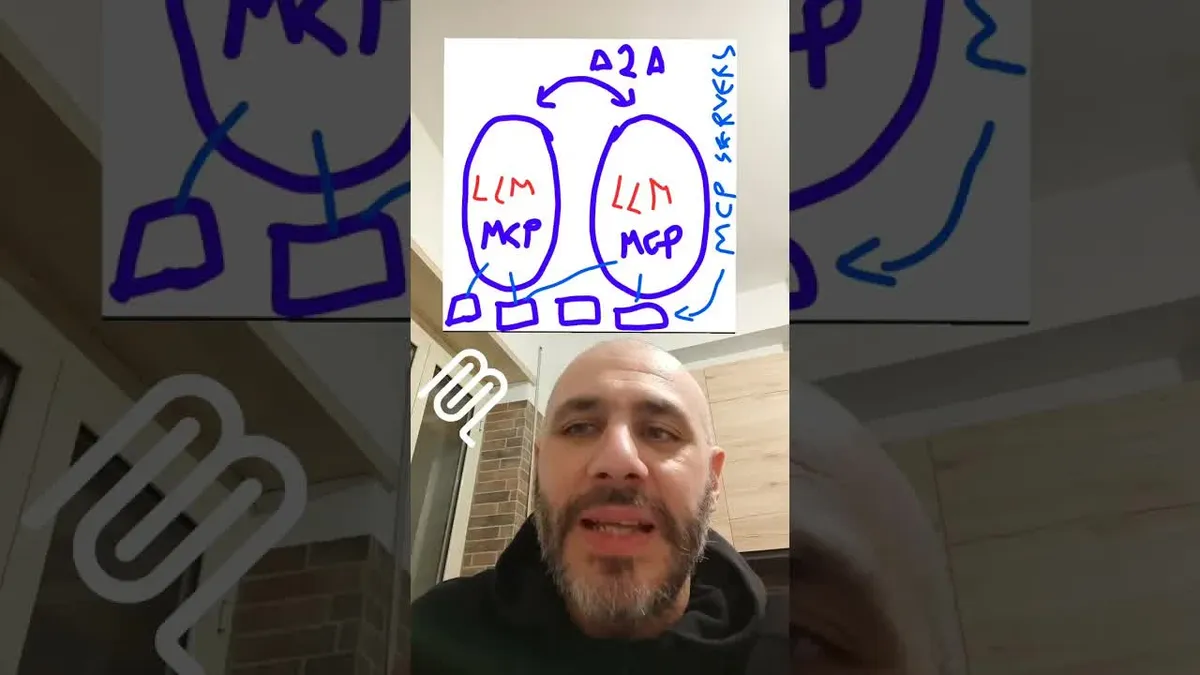
Under the hood, ChatGPT apps are just MCP servers, and this is why MCP is quietly winning while Google A2A struggles.
Both MCP and A2A now live under the Linux Foundation, and here is why the AI field badly needs these protocols to finally unify.
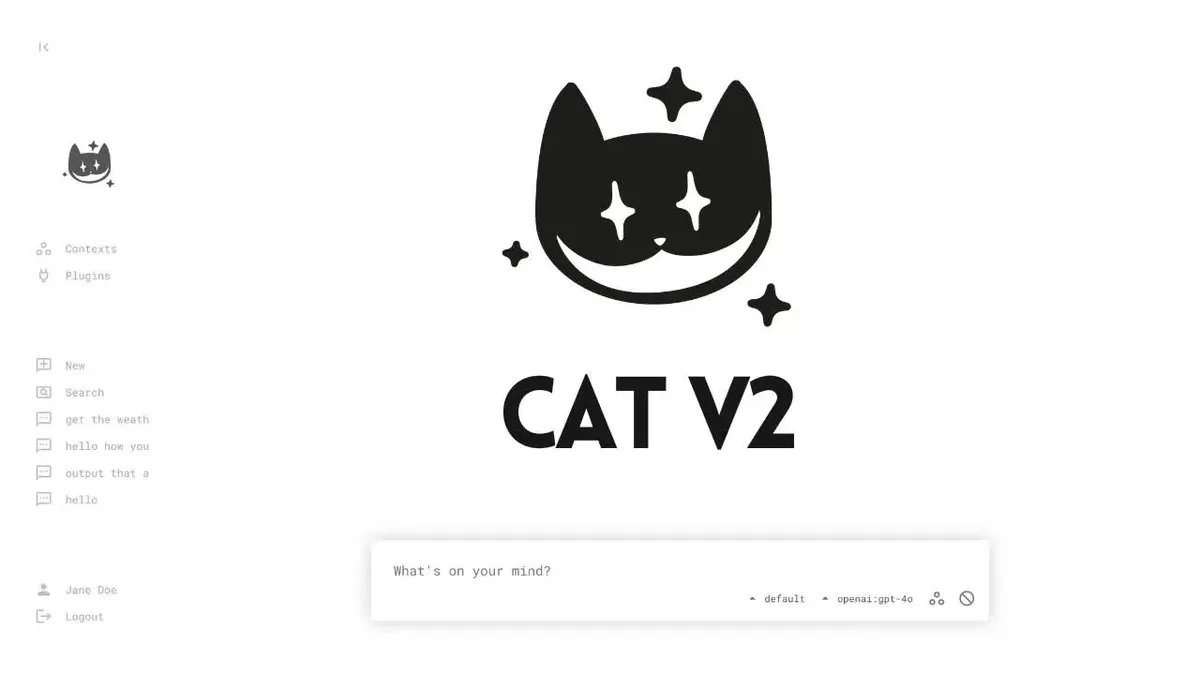
A first look at Cheshire Cat version 2: multi-chat, multi-agent, context-driven, MCP-connected, and still API first, built entirely around plugins.
A tool is a function the language model chooses to call; a resource is something read into context. Here is how the three MCP constructs actually differ.
A journalist copy-pasting straight from ChatGPT is not a gaffe, it is the use case handed to you on a plate: the agent should send the work where it belongs, with human review by design.
A plain-language explainer: an agent is software that wraps a language model, building the prompt with retrieved context and tools and interpreting the response before it reaches you.
Two kinds of AI agents are taking shape - the ones that grab your mouse and click around for you, and the ones that quietly talk to network services and just get it done.
A plain-language tour of the terms you keep hearing: model, agent, RAG, MCP, GPUs and data centers, and the Cheshire Cat.
I asked my coding agent about metro closing times, and had a small epiphany about the end of the browser.