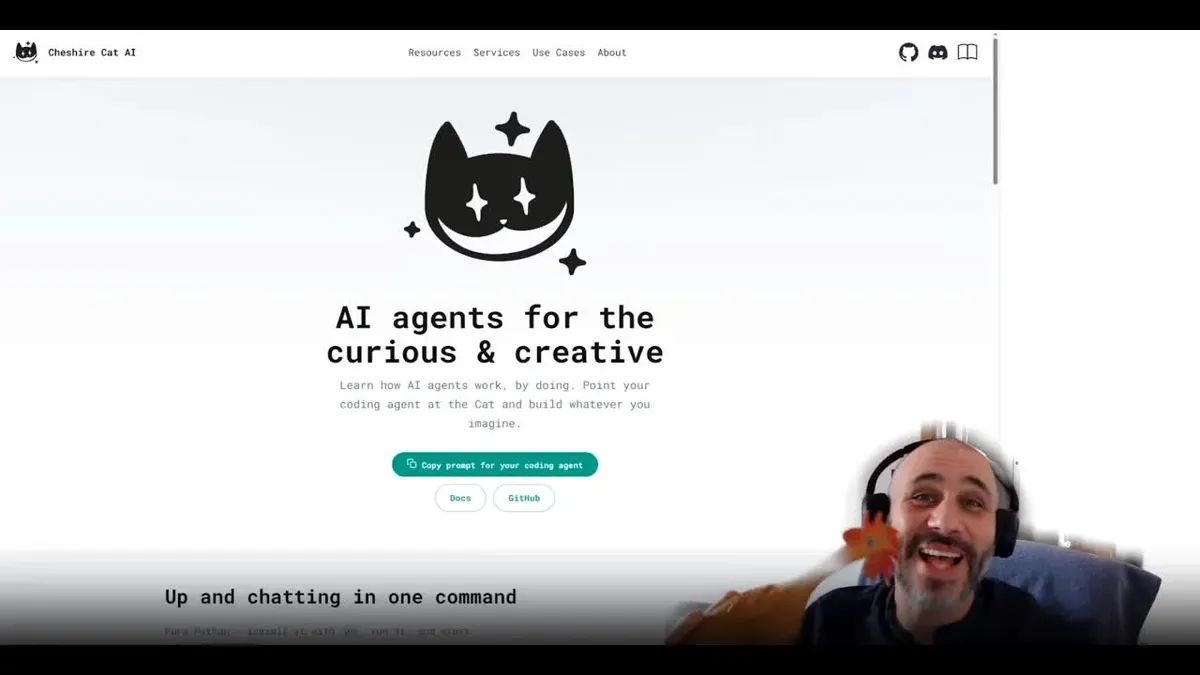
A hands-on vibe-coding session building an agent skill system from zero with the Cheshire Cat framework.
A 20-minute experiment giving the Cheshire Cat 2 framework agent skills - and the open questions about MCP and safety.
From neural-network researcher to web developer to data scientist to open-source maintainer: living right next to AI has forced me to reinvent my career at least four times, and it is far from over.
For a year I have been telling you to play with MCP, and now the signal is impossible to ignore: the whole Google suite is shipping MCP versions, and I am putting together training on it.
Most Python agent libraries treat the prompt, the model, the tools and the memory as static - and in Cheshire Cat v2 I think every one of those parts should be dynamic.
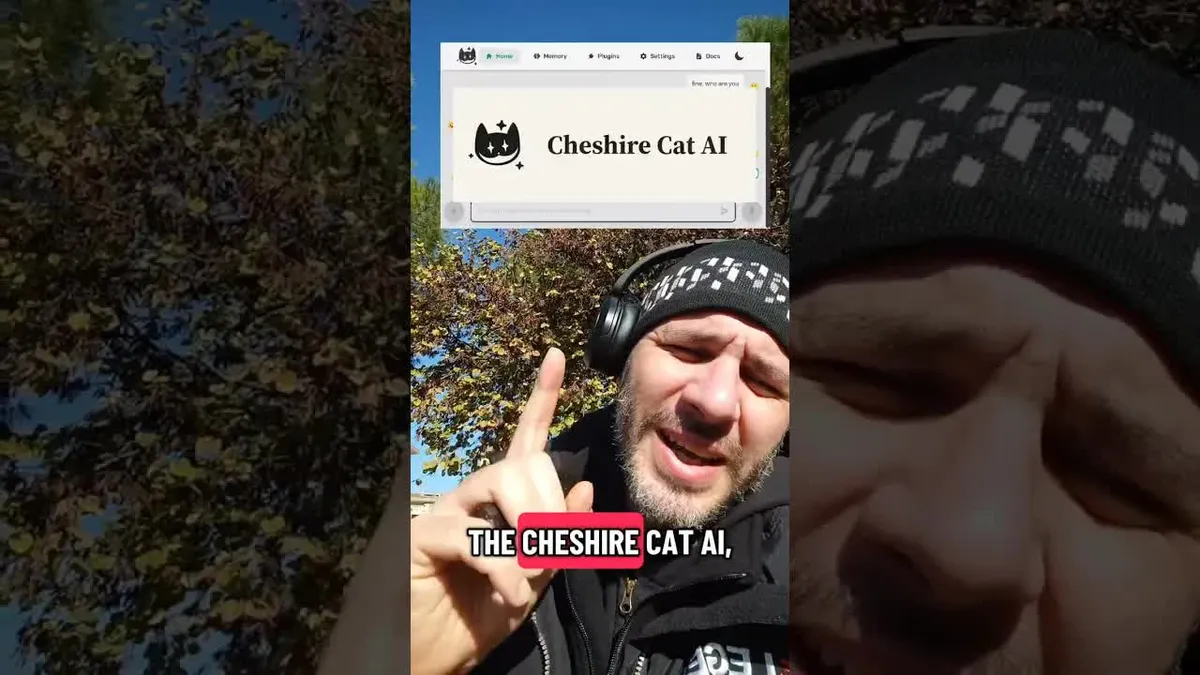
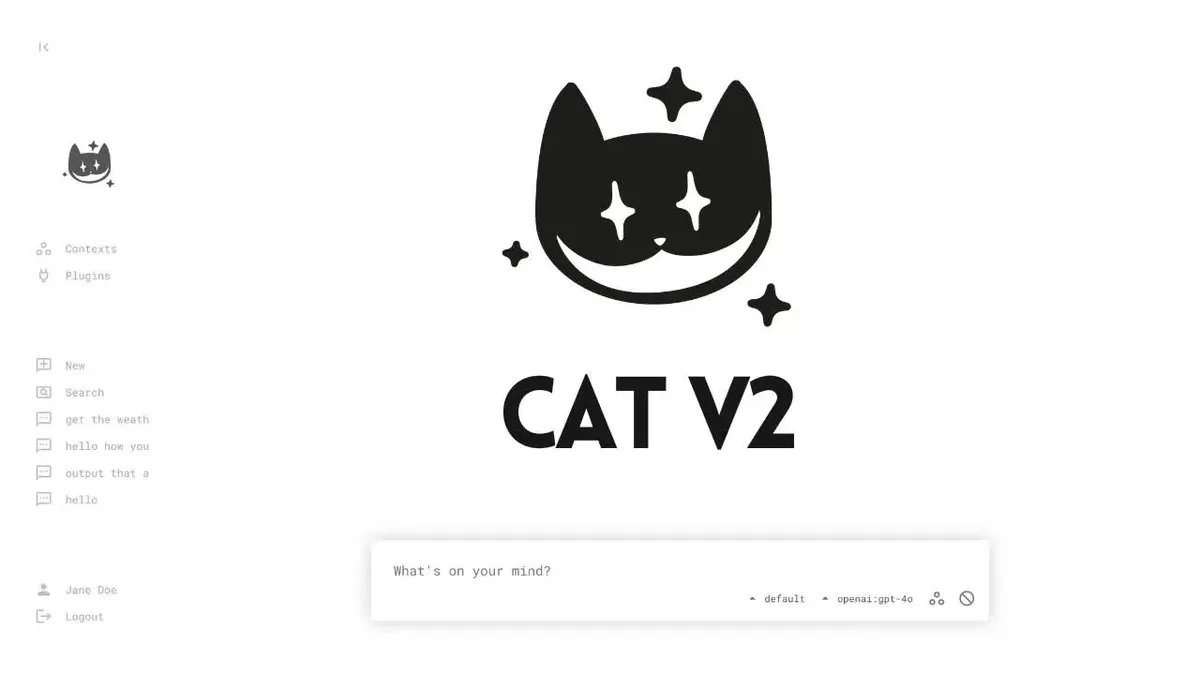
A first look at Cheshire Cat version 2: multi-chat, multi-agent, context-driven, MCP-connected, and still API first, built entirely around plugins.
A tool is a function the language model chooses to call; a resource is something read into context. Here is how the three MCP constructs actually differ.
It is worth it precisely because everything is still fragmented and uncertain, and here is the concrete path in: mess with the online services, then learn context, memory and tools.
RAG sounds complicated, but the acronym already tells you everything: you retrieve relevant content and stuff it into the prompt so the model has the answer in front of it.
An appeal to designers and technicians: flat information architecture, mixed conversational and graphic interfaces, and human-in-the-loop as the design frontier of AI products.